Tổng hợp những câu chuyện KHÔNG PHẢI NGOÀI ĐỜI THẬT, do trí tuệ nhân tạo AI sáng tạo, không nhằm mục đích hạ bệ ai, chỉ mang tính chiêm nghiệm, giải trí
Mỗi tháng ch;u c;ấp cho bố mẹ 5 triệu, đến khi nhờ ông bà giúp một việc cỏn con cũng b:ị từ chối. Sau nhiều ngày suy nghĩ, tôi quyết định sẽ cắt khoản tiền 5 triệu mỗi tháng, nếu ông bà có hỏi thì tôi sẽ nói là do điều kiện kinh tế khó khăn. Một năm sau tôi trở về thăm nhà thì thấy cảnh tượng đau lòng….Mỗi tháng chu cấp cho bố mẹ 5 triệu, đến khi nhờ ông bà giúp một việc cỏn con cũng bị từ chối. Sau nhiều ngày suy nghĩ, tôi quyết định sẽ cắt khoản tiền 5 triệu mỗi tháng, nếu ông bà có hỏi thì tôi sẽ nói là do điều kiện kinh tế khó khăn. Một năm sau tôi trở về thăm nhà thì thấy cảnh tượng đau lòng…”
PHẦN KẾT: BÓNG MÁT DƯỚI BÃO DÔNG
CHƯƠNG 1: CHUYẾN XE TRỞ VỀ TRONG DẰN VẶT
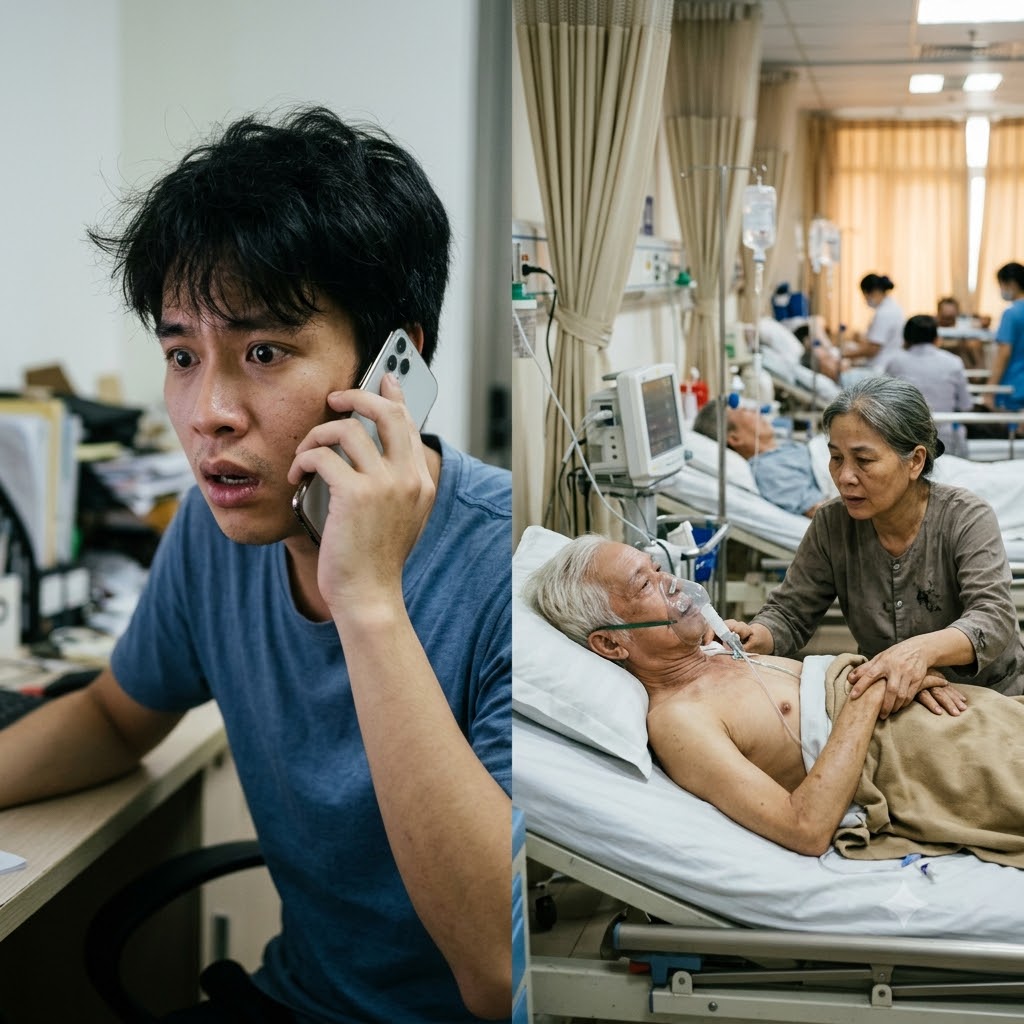
Trời Sài Gòn chiều hôm ấy đổ một cơn mưa rào xối xả. Mưa đập bong bóng trên mặt đường nhựa, cuốn theo cái nóng oi nồng của mùa hè nhưng không thể làm dịu đi sự ngột ngạt đang cuộn lên trong lồng ngực tôi. Cầm chiếc điện thoại vừa tắt màn hình sau cuộc gọi ngắn ngủi với mẹ, tôi đứng ngây dại bên cửa kính căn hộ chung cư cao cấp mà mình mới thuê ba tháng trước.
Nơi đây tầng 22, nhìn xuống là ánh đèn đô thị lấp lánh, là những nhà hàng sang trọng tôi vẫn thường cùng bạn bè ghé qua sau những thương vụ đầu tư chứng khoán thắng đậm. Tôi đã tự thưởng cho mình một cuộc sống “thành đạt”, một không gian sống xứng tầm với mức lương hàng chục triệu. Nhưng ngay lúc này, cái sự sang trọng ấy lại lạnh lẽo như một băng đăng, gạt tôi ra khỏi sự ấm áp và bình yên mà tôi từng nghĩ mình đã mua được bằng tiền.
“Bố nằm viện tỉnh vài ngày thôi… Nhà mình xoay xở được…”
Câu nói của mẹ cứ dội đi dội lại trong tâm trí tôi như những tiếng chuông cảnh tỉnh. Mẹ tôi – người phụ nữ cả đời chưa từng bước chân ra khỏi ranh giới của huyện, người từng cuống quýt lên mỗi khi tôi cảm mạo nghẹt mũi – giờ đây lại bình thản đến lạ kỳ khi chồng mình bị tai biến. Sự bình thản ấy không phải là vô tình, mà là một sự chịu đựng lặng lẽ đến mức tàn nhẫn.
Tôi bước đến bên bàn làm việc, nhìn vào chiếc máy tính vẫn đang chạy dở những dòng code dự án mới. Lần đầu tiên sau nhiều năm lao vào vòng xoáy kiếm tiền, tôi cảm thấy tất cả những con số, những bản kế hoạch này trở nên vô nghĩa đến cay đắng.
Tôi quăng chiếc balo lên giường, vội vã vơ lấy vài bộ quần áo cùng chiếc ví dày đặc các loại thẻ ngân hàng. Tôi quyết định về quê ngay trong đêm. Không báo trước, không hẹn giờ. Tôi muốn tự mình chứng kiến cái sự “không sao đâu” mà mẹ đã nói.
Chuyến xe khách giường nằm chạy đêm từ Sài Gòn về quê lắc lư trong bóng tối. Xuốt hơn sáu tiếng đồng hồ trên xe, tôi không sao chợp mắt nổi. Mười hai tháng qua trôi qua như một thước phim nhanh trong đầu tôi.
Tôi nhớ lại cái ngày mùa hè năm ngoái, khi tôi nổi giận đùng đùng chỉ vì mẹ từ chối lên Sài Gòn dọn dẹp nhà cửa cho tôi. Lòng tự ti và cái ego quá lớn của một kẻ làm lụng nơi xứ người đã khiến tôi nhìn nhận tình yêu thương của bố mẹ qua lăng kính của sự trao đổi. “Tôi cho bố mẹ tiền, bố mẹ phải có trách nhiệm phục vụ khi tôi cần” – cái suy nghĩ lệch lạc, ích kỷ ấy đã âm thầm bám rễ vào đầu tôi từ lúc nào không hay.
Tôi đã trừng phạt ông bà bằng cách cắt đi khoản tiền 5 triệu mỗi tháng. Tôi đã tự lừa dối bản thân rằng mình làm vậy là để dạy cho ông bà một bài học về sự “tương hỗ”. Tôi viện cớ công ty khó khăn, giảm biên chế để cắt đứt nguồn chu cấp, rồi thản nhiên dùng số tiền đó nâng cấp cuộc sống cá nhân, ăn uống sang chảnh, lao vào những cuộc vui bất tận.
Xe dừng ở bến xe huyện lúc trời vừa hờ hẫng sáng. Sương mờ vẫn còn giăng kín những con đường làng quanh co. Tôi bắt một chiếc xe ôm đi về căn nhà cấp bốn nằm ở cuối thôn. Càng đến gần nhà, tim tôi lại càng đập liên hồi. Một cảm giác bất an mơ hồ nhưng mãnh liệt xâm chiếm toàn bộ tâm trí tôi.
CHƯƠNG 2: BÓNG DÁNG HẠO CẢNH
Chiếc xe ôm dừng lại trước cổng gạch cũ kỹ. Cánh cổng gỗ xoan đào ngày trước bố tự tay đóng giờ đây đã xập xệ, một bên bản lề bị gãy được buộc tạm bằng sợi dây thép hoen gỉ. Khác với khung cảnh rộn ràng tiếng gà gáy, tiếng chổi quét sân xạc xác mỗi sáng sớm mà tôi thường thấy mỗi dịp Tết, không gian ngôi nhà lúc này im lìm đến đáng sợ.
Tôi nhẹ nhàng đẩy cánh cổng, bước chân trên con đường gạch bám đầy rêu xanh. Mảnh vườn trước nhà – nơi ngày trước mẹ tôi cẩn thận trồng từng luống rau cải, cà chua và mười giờ – nay cỏ dại đã mọc trùm lên quá gối. Đàn gà xơ xác vài con đang bới móc tìm mồi trong góc bếp hoang tàn.
Bước đến hiên nhà, tôi đứng khựng lại. Cánh cửa chính khép hờ. Qua khe cửa hẹp, ánh sáng mờ nhạt của buổi sáng chiếu vào làm lộ rõ từng hạt bụi đang lơ lửng trong không khí. Và rồi, một mùi hương xộc thẳng vào mũi tôi – mùi ám quẻ của thuốc bắc nồng nặc trộn lẫn với mùi dầu gió và mùi ẩm mốc của một căn nhà thiếu vắng hơi người.
Tôi nhón chân bước vào. Bức tranh cảnh tượng trước mắt khiến toàn thân tôi đóng băng, chiếc balo trên tay rơi thượt xuống đất.
Trên chiếc phản gỗ cũ kỹ ở góc nhà, bố tôi đang nằm đó. Người ông teo tóp lại, chỉ còn là một bộ xương bọc da. Gương mặt từng một thời phong sương, nghiêm nghị của người lính già nay hóp lại, hai hốc mắt sâu hoắm, làn da xám xịt như màu tro tàn. Một bên tay của ông bị co quắp trước ngực, miệng hơi lệch sang một bên, nước dãi thỉnh thoảng lại ứa ra nơi khóe môi.
Ngồi bên cạnh ông là mẹ tôi. Nhưng người phụ nữ trước mặt tôi đây… có phải là mẹ tôi không?
Mới chỉ một năm không gặp, mà tóc mẹ đã bạc trắng toàn bộ. Mẹ mặc một chiếc áo bà ba cũ đã sờn vai, nhiều chỗ khâu vá chắp vá bằng những miếng vải khác màu. Thân hình mẹ gầy rộc đi, lưng còng xuống hẳn. Mẹ đang tỉ mẩn dùng chiếc thìa nhôm nhỏ, xúc từng thìa cháo loãng đút cho bố. Nhưng tay mẹ run quá, chiếc thìa chạm vào răng bố kêu “lạch cạch”, cháo tràn ra gò má nhăn nheo của ông. Mẹ vội vàng lấy chiếc khăn mùng cũ kỹ lau cho bố, ánh mắt đờ đẫn đầy mệt mỏi.
“Bố… Mẹ…” – Giọng tôi run lên, nghẹn lại nơi cổ họng.
Mẹ giật mình quay lại. Chiếc bát tô trên tay mẹ chao đảo, suýt nữa thì rơi xuống sàn. Khi nhìn thấy tôi đứng ở cửa, đôi mắt mờ đục của mẹ mở to ra, đầy vẻ bàng hoàng. Mẹ vội vàng đặt bát cháo xuống bàn, đứng dậy nhưng vì ngồi quá lâu nên đôi chân bà khuỵu xuống.
“Lâm… Lâm đấy hả con?” – Mẹ cất giọng run rẩy, bàn tay khô nhám giơ ra không trung như muốn chạm vào tôi nhưng rồi lại ngập ngừng thu lại. – “Sao… sao con lại về giờ này? Công việc trên đó… con nghỉ được à?”
Tôi lao đến, quỳ gối xuống trước mặt mẹ, ôm lấy đôi bàn tay gầy gộc, chắp vá những vệt sẹo và chai sạn của bà. Đôi bàn tay ấy lạnh ngắt.
“Mẹ ơi… Rốt cuộc đã xảy ra chuyện gì thế này? Bố sao lại thành ra thế này? Sao nhà mình lại…” – Tôi gào lên, nước mắt vỡ ùa ra, lăn dài trên gò má.
Mẹ tôi nhìn tôi, rồi nhìn sang bố. Một nụ cười chua chát, gượng gạo xuất hiện trên khuôn mặt hằn sâu những nếp nhăn của bà:
“Bố con… bị tai biến từ tám tháng trước rồi con ạ. Không phải mới tuần trước đâu…”
CHƯƠNG 3: SỰ THẬT ĐẰNG SAU KHOẢN TIỀN 5 TRIỆU
Lời nói của mẹ như một đòn đánh tàn nhẫn giáng thẳng vào đầu tôi, khiến tôi choáng váng. Tám tháng trước? Nghĩa là chỉ bốn tháng sau khi tôi quyết định cắt khoản tiền chu cấp 5 triệu mỗi tháng!
“Tám tháng trước?” – Tôi lắp bắp. – “Vậy sao… sao mẹ lại giấu con? Sao em họ lại bảo là mới tuần trước?”
Mẹ tôi thở dài, một tiếng thở dài như rút hết chút sức lực cuối cùng của thân thể già nua. Mẹ ngồi xuống mép phản, nhẹ nhàng nắm lấy bàn tay co quắp của bố, vừa chải lại mái tóc thưa thớt của ông vừa chậm rãi kể:
“Mùa hè năm ngoái, sau khi con gọi điện nhờ mẹ lên Sài Gòn… Con có nhớ mẹ bảo bố con mới ốm dậy không? Lúc đó, bố con bị cao huyết áp, phải nằm viện huyện mất một tuần. Mẹ không thể bỏ bố con ở nhà một mình được. Nhưng con vội quá, cúp máy nhanh quá, mẹ chưa kịp giải thích…”
Tôi sững người. Ký ức về cuộc gọi năm ngoái hiện về. Đúng là mẹ có nói “Bố con mới ốm dậy”, nhưng lúc đó tôi đang chìm trong sự bực bội, ích kỷ nên chỉ nghĩ đó là một lời viện cớ thoái thác!
“Rồi sau đó…” – Giọng mẹ chùng xuống. – “Con không gửi tiền về nữa. Mẹ biết, con bảo công ty giảm biên chế, bị cắt lương. Mẹ thương con trên đó một thân một mình, tiền phòng, tiền ăn uống đắt đỏ… Mẹ với bố bàn nhau, không được làm phiền con, không được để con phải lo lắng thêm.”
Mẹ dừng lại, lau vệt nước mắt rỉ ra nơi khóe mắt nhăn nheo.
“Nhưng số mẹ nghèo, tai họa cứ dồn dập. Bốn tháng sau, bố con đang làm ngoài vườn thì đột ngột ngất xỉu. Bác sĩ bảo bị xuất huyết não, phải chuyển gấp lên bệnh viện tỉnh. Chi phí cấp cứu, phẫu thuật và điều trị hồi sức tốn kém lắm con ạ… Bao nhiêu tiền tiết kiệm của hai ông bà từ trước đến nay, cộng với khoản tiền 5 triệu mỗi tháng con gửi ngày trước mà mẹ gom góp lại, đều đem ra chữa bệnh cho bố hết sạch.”
“Thế… thế sao mẹ không gọi cho con?” – Tôi gào lên trong đau đớn. – “Con là con trai của bố mẹ cơ mà! Sao mẹ lại tự mình chịu đựng?”
“Gọi cho con làm gì hả con?” – Mẹ nhìn tôi, đôi mắt hiền từ nhưng chứa đựng sự xót xa vô bờ. – “Con đang gặp khó khăn, công ty cắt giảm lương, một mình con xoay xở ở Sài Gòn đã khổ lắm rồi. Mẹ làm sao lỡ cất lời xin tiền con? Mẹ sợ con lại phải chạy vẩy vay mượn, sợ con kiệt sức… Bố con trước khi hôn mê cũng nắm tay mẹ dặn: ‘Dù có phải bán nhà, cũng không được phiền đến thằng Lâm. Nó làm việc trên thành phố áp lực lắm…’.”
Tôi như bị ai đó dùng dao đâm thấu tim. Sự hy sinh của bố mẹ vô điều kiện, thuần khiết và bao la đến mức tàn nhẫn. Họ đã tin vào cái lời nói dối trơ trẽn của tôi! Họ tin rằng đứa con trai kỹ sư của họ đang gặp khó khăn trên thành phố, nên họ đã tự cắn răng chịu đựng tất cả nghịch cảnh để “bảo vệ” tôi khỏi gánh nặng tài chính!
“Để có tiền chữa trị cho bố…” – Mẹ cất giọng thì thào. – “Mẹ đã bán hết đàn gà, bán luôn mảnh vườn sau nhà cho người ta. Mẹ còn đi vay mượn họ hàng, làng xóm. Nhưng chữa trị tai biến là một chặng đường dài… Hai tháng nay, tiền thuốc của bố hết, mẹ không còn cách nào khác, đành phải đi xin cơm từ thiện dưới bệnh viện, tối thì về cắt rau dại ngoài đồng ăn qua bữa…”
“Mẹ ơi…” – Tôi gục đầu vào lòng mẹ, khóc nấc lên như một đứa trẻ.
Cảm giác tội lỗi, ân hận và tự ghét bỏ bản thân dâng lên cuồn cuộn, đè nén khiến tôi không thở nổi. Tôi – một kẻ lương tháng ba mươi triệu, ở căn hộ cao cấp, ăn những bữa ăn hàng triệu đồng, đầu tư chứng khoán hàng trăm triệu – lại để cho bố mẹ mình ở quê nhà phải ăn rau dại, đi xin cơm từ thiện và nằm chờ chết vì không có tiền mua thuốc! Tất cả chỉ vì một sự ích kỷ, một cái tự ái vặt vãnh và sự suy đoán hẹp hòi của bản thân!
CHƯƠNG 4: CUỐN SỔ TAY CỦA MẸ
Mẹ đứng dậy, tiến về phía chiếc tủ gỗ cũ kỹ ở góc phòng. Bà mở chiếc khóa đồng đã hoen gỉ, lấy ra một chiếc hộp sắt bích quy tròn đã cũ kỹ. Mẹ ôm chiếc hộp ấy vào lòng, bước lại gần tôi và đặt nó vào tay tôi.
“Lâm này… Mẹ không trách con đâu. Con ngoan lắm, từ nhỏ đã biết thương bố mẹ. Khoản tiền 5 triệu mỗi tháng con gửi về trước đây, bố mẹ quý lắm…”
Tôi run rẩy mở chiếc hộp sắt ra. Bên trong không có vàng bạc hay tài sản quý giá gì, mà chỉ có một cuốn sổ tay bìa màu xanh đã sờn góc cùng một xấp tiền polyme được buộc cẩn thận bằng dây thun.
Tôi mở cuốn sổ ra. Đó là những dòng chữ chắp vá, xiêu vẹo của mẹ – một người chỉ học hết lớp 7:
-
“Tháng 1: Con Lâm gửi 5 triệu. Tiền ăn hết 1,5 triệu. Tiền thuốc bố 500k. Còn dư 3 triệu gửi tiết kiệm cho con Lâm sau này lấy vợ.”
-
“Tháng 2: Con Lâm gửi 5 triệu. Mẹ mua cho bố chiếc áo ấm. Dư 3,2 triệu cất tủ.”
-
“Tháng 5: Con Lâm bảo công ty khó khăn, không gửi tiền nữa. Tội nghiệp con tôi. Chắc nó trên đó thiếu thốn lắm. Mẹ phải rút 2 triệu trong khoản cất giữ gửi lên cho nó không?” (Dòng chữ này bị gạch đi, kèm theo ghi chú: “Bố bảo gửi tiền lên nó lại ngại, thôi để dành mua đồ ăn cho nó khi nó về”).
Tôi trố mắt nhìn xấp tiền polyme trong hộp. Toàn là những tờ tiền mệnh giá 100k, 200k, 500k đã được vuốt phẳng phiêu.
“Mẹ…” – Tiếng tôi nghẹn lại.
“Số tiền 5 triệu con gửi mỗi tháng,” – Mẹ nhẹ nhàng nói. – “Bố mẹ ở quê ăn uống có hết bao nhiêu đâu con. Rau tự trồng, gà tự nuôi. Bố mẹ chỉ dùng một phần nhỏ để trang trải cuộc sống, còn lại mẹ đều cất đi… Mẹ định bụng gom góp lại, để sau này con lấy vợ, hoặc khi con cần tiền mua nhà trên thành phố thì mẹ đưa lại cho con. Bố mẹ già rồi, sống được bao lâu nữa đâu mà cần nhiều tiền…”
“Chỉ là…” – Mẹ thở dài, hai dòng nước mắt chảy tràn trên những nếp nhăn. – “Đợt bố con bị bệnh nặng quá, mẹ đành phải lấy ra dùng gần hết… Số tiền còn lại trong hộp này là 30 triệu, mẹ cố giữ lại, không dám tiêu… Mẹ định bụng nếu đợt này con về mà vẫn chưa xin được việc, mẹ sẽ đưa cho con làm vốn…”
Trời đất như sụp đổ dưới chân tôi.
Tôi nhìn xấp tiền 30 triệu được bọc cẩn thận trong chiếc hộp sắt. Đó là số tiền được chắt chiu từ chính khoản chu cấp mà tôi đã từng coi như một món quà “ban ơn” cho bố mẹ! Tôi từng nghĩ mình là kẻ hào phóng, là đứa con có hiếu vì biết gửi tiền về nhà. Nhưng hóa ra, bố mẹ tôi chưa từng coi số tiền đó là của riêng họ. Họ chỉ là những người giữ hộ, âm thầm chắt chiu từng đồng để lo ngược lại cho tương lai của đứa con trai ích kỷ này!
Tôi nhìn sang bố. Bố tôi vẫn nằm đó, đôi mắt đờ đẫn nhìn lên trần nhà. Một giọt nước mắt đục ngầu từ khóe mắt ông chậm rãi lăn xuống, thấm vào chiếc gối đã hoen ố. Ông không thể nói được, nhưng ông nghe thấy tất cả. Ông biết đứa con trai mà ông luôn tự hào đang quỳ gối khóc lóc trong sự hối hận tột cùng.
Tôi bò lại gần phản, ôm lấy thân thể gầy guộc của bố.
“Bố ơi! Con sai rồi! Con xin lỗi bố! Con là đứa con bất hiếu! Con là đứa con tồi tệ!” – Tôi gào khóc trong sự đớn đau tột cùng. – “Con không khó khăn gì cả… Con dối bố mẹ đấy! Con vẫn kiếm được nhiều tiền… Con là kẻ khốn nạn!”
Bố tôi mấp máy làn môi lệch lạc. Bàn tay co quắp của ông cố gắng cử động, những ngón tay gầy guộc, run rẩy chạm nhẹ vào mái tóc tôi. Dù không thể thốt lên lời, nhưng ánh mắt của ông lúc ấy không hề có sự trách móc. Chỉ có một sự tha thứ, yêu thương và xót xa vô hạn dành cho đứa con trai của mình.
CHƯƠNG 5: HÀNH TRÌNH CHUỘC LỖI
Sự hối hận không thể làm thời gian quay trở lại, nhưng nó có thể làm thức tỉnh một con người.
Ngay trong ngày hôm đó, tôi dùng toàn bộ sự quyết đoán và năng lực của mình để sửa chữa những sai lầm. Tôi gọi điện lên Sài Gòn, xin nghỉ phép dài hạn ở công ty. Tôi chấp nhận giao lại dự án quan trọng cho người khác, bất chấp việc có thể bị ảnh hưởng đến vị trí công việc. Đối với tôi lúc này, không có dự án nào, không có khoản lợi nhuận nào quan trọng bằng việc giành lại sự sống cho bố và nụ cười cho mẹ.
Tôi gọi xe cấp cứu chuyển bố ngay lập tức lên Bệnh viện Đa khoa Tỉnh, thuê phòng bệnh theo yêu cầu tốt nhất với đầy đủ trang thiết bị y tế. Tôi liên hệ với các bác sĩ chuyên khoa thần kinh và phục hồi chức năng giỏi nhất tại Hà Nội để mời họ về hội chẩn cho bố.
Nhìn số tiền hàng chục triệu đồng được tôi thanh toán nhanh gọn tại viện phí, mẹ tôi đứng bên cạnh mà bàng hoàng. Bà nắm lấy tay tôi, lo lắng: “Lâm ơi… Con lấy đâu ra lắm tiền thế này? Con có làm gì phạm pháp không con? Đừng vì bố mà đi vay nóng, đi làm liều nhé con!”
Tôi ôm lấy vai mẹ, lòng đau như cắt: “Mẹ ơi, con nói thật với mẹ… Công ty con không hề giảm biên chế. Con không hề bị cắt lương. Lương con mỗi tháng hơn ba mươi triệu. Mấy tháng qua con còn đầu tư kiếm được rất nhiều tiền…”
“Vậy tại sao…?” – Mẹ ngơ ngác nhìn tôi.
Tôi cúi đầu, cay đắng thú nhận toàn bộ sự thật. Tôi kể cho mẹ nghe về sự tức giận ích kỷ của mình năm ngoái, về việc tôi đã hẹp hòi cắt khoản tiền 5 triệu chỉ vì bị từ chối một lời nhờ vả, về việc tôi đã dùng số tiền đó để tận hưởng cuộc sống xa hoa trên thành phố ra sao.
Mẹ tôi nghe xong, bà im lặng rất lâu. Bầu không khí trong phòng bệnh chìm vào sự ngột ngạt. Tôi chuẩn bị tâm lý cho một trận mắng chửi, một sự trừng phạt đích đáng từ mẹ.
Nhưng mẹ không mắng tôi. Bà chỉ thở dài một tiếng thật sâu, rồi nhẹ nhàng đặt tay lên đầu tôi như ngày tôi còn bé: “Con trai mẹ giỏi giang, kiếm được nhiều tiền… Mẹ mừng lắm. Nhưng con ơi, tiền bạc làm ra được, chứ bố mẹ thì chỉ có một trên đời thôi. Con giận bố mẹ, bố mẹ không trách. Chỉ trách bố mẹ nghèo, không giúp gì được cho con trên thành phố, để con phải vất vả rồi sinh ra suy nghĩ lệch lạc…”
Lời nói của mẹ còn tàn nhẫn hơn bất kỳ trận đòn nạt nào. Nó xoáy sâu vào tâm khảm tôi, làm tôi thấu hiểu thế nào là tình phụ tử, mẫu tử bao la bất tận.
Những ngày sau đó, tôi biến phòng bệnh thành văn phòng làm việc tạm thời. Buổi sáng, tôi cùng các kỹ thuật viên phục hồi chức năng xoa bóp, tập luyện từng cử động tay chân cho bố. Nhìn bố nhăn mặt đau đớn mỗi khi cố gắng nâng cánh tay co quắp, tôi lại thầm hứa với lòng mình sẽ không bao giờ bỏ cuộc. Buổi chiều, tôi dắt mẹ đi siêu thị, mua cho mẹ những bộ quần áo mới, mua những món ăn bổ dưỡng nhất để mẹ bồi bổ lại thân thể đã kiệt quệ.
Tôi cũng dùng tiền để chuộc lại mảnh vườn sau nhà đã bán cho người ta, thuê người dọn dẹp lại căn nhà cấp bốn, sơn lại tường, làm lại cổng ngõ chắc chắn. Tôi thanh toán toàn bộ các khoản nợ mà mẹ đã vay mượn của họ hàng, làng xóm trong suốt tám tháng qua.
Hai tháng điều trị tích cực và tập luyện kiên trì tại bệnh viện đã mang lại kỳ tích. Bố tôi đã có thể tự ngồi dậy được, cơ mặt dần hồi phục và ông đã bắt đầu nói được những từ đơn giản.
Một buổi chiều mùa thu, khi ánh nắng vàng ươm trải dài trên khuôn viên bệnh viện, tôi đẩy chiếc xe lăn đưa bố ra hóng mát. Mẹ đi bên cạnh, tay cầm chiếc quạt giấy nhẹ nhàng quạt cho bố.
Bố quay sang nhìn tôi, đôi tay run rẩy nắm lấy tay tôi. Môi ông mấp máy, thốt ra từng từ khó khăn nhưng rõ ràng: “Con… ngoan… Bố… không… trách…”
Nước mắt tôi lại rơi, nhưng lần này không phải là nước mắt của sự ân hận cay đắng, mà là nước mắt của sự thức tỉnh và biết ơn.
CHƯƠNG 6: BÀI HỌC VỀ SỰ BÁO ĐÁP
Sau ba tháng ở quê chăm sóc bố mẹ, tôi quyết định xin chuyển sang làm việc từ xa (remote) hoàn toàn cho một công ty công nghệ nước ngoài. Mức lương có thể không cao bằng làm việc trực tiếp tại Sài Gòn, nhưng đổi lại, tôi được ở nhà, được sống bên cạnh bố mẹ mỗi ngày.
Tôi trả lại căn hộ cao cấp đắt đỏ ở Sài Gòn, bán bớt các khoản đầu tư rủi ro. Tôi nhận ra rằng, sự thành đạt của một người đàn ông không đo đếm bằng tầng cao của căn hộ anh ta ở, không đo đếm bằng nhãn hiệu chiếc xe anh ta đi, mà đo đếm bằng nụ cười hạnh phúc và sự an yên của những người thân yêu nhất trong gia đình.
Bây giờ, căn nhà cấp bốn ngày nào đã tràn ngập tiếng cười. Mảnh vườn sau nhà lại xanh mượt những luống rau cải, tiếng gà gáy lại rộn rã mỗi sáng sớm. Bố tôi đã có thể tự đi lại được bằng gậy, mỗi chiều ông lại ra trước cổng ngồi đánh cờ với mấy bác trong làng. Mẹ tôi tóc tuy vẫn bạc, nhưng sắc mặt đã hồng hào, khỏe mạnh trở lại.
Mỗi tháng, tôi không còn “gửi” 5 triệu về cho bố mẹ qua tài khoản ngân hàng nữa. Thay vào đó, tôi tự tay đưa tiền chợ cho mẹ, tự tay đi mua những bao gạo, những hộp sữa bổ dưỡng đặt vào bếp. Tôi nhận ra, khoản tiền chu cấp ngày trước không sai, nhưng cái sai của tôi là đã dùng tiền để thay thế cho sự có mặt, dùng tiền để mua sự phục vụ, và dùng tiền để đo đếm tình cảm gia đình.
Thứ bố mẹ cần nhất ở tuổi xế chiều chưa bao giờ là những con số trong tài khoản hay những món quà đắt tiền gửi từ xa. Thứ họ cần nhất chính là sự hiện diện của con cái, là những bữa cơm gia đình đầm ấm, là câu hỏi thăm chân thành mỗi khi trái gió trở trời.
Đêm nay, ngồi bên bàn làm việc dưới mái nhà cũ kỹ ở quê, tiếng côn trùng kêu rả rích ngoài vườn, tôi nhìn sang phòng bên cạnh – nơi bố mẹ đang ngủ ngon giác dưới ánh đèn ngủ ấm áp. Tôi khẽ mỉm cười, lòng tràn ngập sự bình yên.
Tôi đã suýt chút nữa đánh mất đi điều quý giá nhất trong cuộc đời mình chỉ vì sự ích kỷ và hẹp hòi của bản thân. Nhưng may mắn thay, cuộc đời vẫn cho tôi một cơ hội để trở về, để sửa sai, và để học lại bài học làm người – bài học về sự hiếu thảo không được đo đếm bằng tiền bạc, mà bằng chính trái tim và sự hiện diện của bản thân./.